Monday, September 16, 2013

Author Events: Susan Fillion Visits Baltimore

Attention Baltimore residents! (especially those interested in pizza -- and c'mon, who doesn't love pizza?!)

  • Pizza Party! Join the Children's Bookstore at an event celebrating the release of Susan Fillion's newest book Pizza in Pienza, tomorrow Sept. 17 at 4pm. Free and open to all, Susan will be reading and signing copies of the book (and most likely eating some pizza with fans). Come join!


  • And later this month, on Sunday, Sept. 29, Susan will be visiting The Baltimore Book Festival 2013  to speak on a panel with fellow children's book authors to discuss the differences in how picture books are created -- from the kernel of the idea, to working with an illustrator, to the final draft. Check out the "Creating Picture Books: A Variety of Perspectives" event here.

These events sound like good fun for book and pizza lovers alike. And if you can't make it to Baltimore, be sure to read more about Pizza in Pienza (and upcoming news of what all our authors are up to) at www.godine.com.

Friday, September 13, 2013

New Ebooks!

David R. Godine, Publisher is pleased to announce the release of four new ebook titles. Ranging from simple to eye-opening, hilarious to heartbreaking, readers will only benefit from the added convenience and accessibility of the ebook versions of these titles. Listed below are short descriptions of each of the books. We hope you enjoy them!

An Artist in Venice by Adam Van Doren

"Architect and artist Adam Van Doren offers a love letter to Venice in this elegant volume, and he sings his praise to the city through majestic prose and 23 beautiful watercolor paintings of Venice." -Publishers Weekly 

This book offers a beautifully illustrated visual guide to the city: it's a walking guide to the Venice from the seat of your couch. In addition to the drawings, the author laces his tour with information, opinion, and citation, creating a reading experience that is both rich and convincing.  Available on Amazon, Barnes & Noble, and Kobo.


Sleet by Stig Dagerman

"Dagerman wrote with beautiful objectivity. Instead of emotive phrases, he uses a choice of facts, like bricks, to construct an emotion."
—Graham Greene

This selection of short stories, edited and translated by Steven Hartman, offers new translations of Dagerman’s stories, including some that have never before appeared in English. Many of the stories are narrated from a child’s fragile perspective and give voice to a tender state of high receptiveness and joy fraught by longing, loneliness, and an urgent desire to make sense of a difficult world. The title story, “Att döda ett barn” (“To Kill A Child”), is the most famous of Dagerman’s short stories and one of the most anthologized and oft-read stories in Sweden.  Click here to purchase this title on Amazon, Barnes & Noble, or Kobo.


The African by J. M. G. Le Clézio

"Le Clezio, recipient of the 2008 Nobel Prize in Literature, recalls the emotive and evocative African experience of his youth." - Library Journal

"A vivid depiction of a splintered childhood and the lovely wholeness procured from it." - Kirkus

J. M. G. Le Clézio's autobiographical memoir The African traces the author's childhood, from when he left a war torn Europe in 1948 to the first years of his new life in Nigeria. In Le Clézio's characteristically intimate, poetic voice, the narrative relates both the dazzled enthusiasm the child feels at discovering newfound freedom in the African savannah and his torment at discovering the rigid authoritarian nature of his father.  Click here for links to purchase the ebook on Amazon, Barnes & Noble, and Kobo.


The Decline and Fall of Practically Everybody by Will Cuppy

So you think you know most of what there is to know about people like Nero and Cleopatra, Alexander the Great and Attila the Hun, Lady Godiva and Miles Standish? How wrong you are, for in these pages you'll find Will Cuppy footloose in the footnotes of history. He transforms these luminaries into human beings, not as we knew them from history books, but as we would have known them Cuppy-wise: foolish, fallible, and very much our common ancestors.

  Available on Amazon, Barnes & Noble, and Kobo.

Tuesday, September 10, 2013

Superior Person's Tuesday!

By Addie Byrne

Thermanesthesia, n. Inability to feel heat or cold.

He sure looks comfortable
Each Tuesday, we’ll offer up a Superior Word for the edification of our Superior Readers, via the volumes of the inimitable Peter Bowler. You can purchase all or any of the four Superior Person’s Books of Words from the Godine website. Thermanesthesia appears in the first.

Monday, September 9, 2013

August Reviews Roundup

Here at David R. Godine, Publisher, we strive to produce high quality books above all else. So, when our books and authors are praised, we hope you'll forgive us for acting like proud parents. Please join us in celebrating the recent success of a few of our talented authors.

In recent news, we were happy to see that Kirkus Reviews praised Max Dalton's "witty and sophisticated" picture book  Extreme Opposites.  


Here is a highlight of their review, which you can also find here:

 “Too big”: A dismayed big-game hunter looks down at three colossal footprints while his porters chuckle at his discomfiture. “Too small”: A bearded castaway leans against a palm tree on an islet that’s just barely big enough. “Too late”: A quartet of dinosaurs, bags packed, dolefully watches the ark disappearing over the horizon. “Too early”: A rooster crows, silhouetted in the window against a starry night sky, with an irate would-be sleeper glaring at him from bed. Not for children just learning opposites, these illustrations invite older kids to study visual irony...The cartoons’ hip, limited palette and dry wit will appeal to adults, but the images never lose sight of the child audience, as is manifest in a couple of quite funny underwear-related gags (“too loose/too tight”). 

With whole stories unfurling in each image, the book has potential for classroom use as well as for solo enjoyment. 
Extreme Opposites is coming out this October, so make sure to check out our site www.godine.com for more information on this engaging book for all ages.


Brava! Author Susan Fillion's delightful (and delicious!) book Pizza in Pienza was reviewed recently by the Baltimore Sun:


Spaghetti and lasagna are all very well, but pizza is plainly the major Italian donation to the American diet. Susan Fillion celebrates both the pizza and its Italian origins in the slender but delightful Pizza in Pienza (David Godine, $17.95).

"The Pienza of the title is a little town in Tuscany which Ms. Fillion, a Baltimore artist and museum educator, makes the starting point of her illustrated history of this universally popular dish. Life in Pienza (and life in an Italian town can be very good) is limned in a series of drawings with bilingual English/Italian captions in which a child in the town discovers the history of her favorite food.
We get to the pie very quickly. To the invention in 1889 of the pizza Margherita in Naples, named after the queen and featuring the green, white, and red colors of the new Italian flag. The opening of the first American pizzeria in New York in 1905. The ballooning popularity of the dish after World War II, when American troops returning from Italy had developed a taste for the dish. 

...But the charm of the book lies in the evocative illustrations of daily life in Pienza, the Renaissance buildings and narrow streets, the daily round, the fresh produce at the weekly outdoor market, and the pizza hot from the oven."


You can find the full review here. Pizza in Pienza is currently available on our website, so make sure to get your slice of this beautifully illustrated title. (Did we mention there's a classic Neapolitan recipe for pizza margherita included?) Buon appetito!


We're pleased to know that the creator of the The Garden Interior blog is currently reading Rosemary Verey -- The Life & Lessons of a Legendary Gardener by Barbara Paul Robinson.


"This is a charming biography of one of the 20th Century’s great gardeners, and it is told in an engagingly simple, straight-forward prose narrative, by the author who was a very prominent New York lawyer and who, like Verey, came to gardening late in life. Robinson worked for Verey at her world famous garden, Barnsley, in the English Cotswolds. Verey only became a serious gardener in her 50s and 60s, and one of the most remarkable and likeable things about her is how a self-taught, passionate amateur could rise, in the twilight of life, to become a world authority on garden design and planting style."
 

This review is featured in the "What I'm Reading" column of the blog.


This definitive biography, capturing both  Ms. Verey charismatic personality as well as her darker demons, is one to add to your reading list--no green thumb required.


To wrap things up,  J.M.G Le Clézio’s novel The African was featured by the lovely folks at ForeWord reviews:


"This brilliant translation of Nobel Laureate J. M. G. Le Clézio’s book The African, the now- seventy -three- year- old writer goes back to his childhood spent in Nigeria, the son of a French military doctor posted to Africa. Told through the fog of memory, the author’s adult mind reanalyzes his childhood, adding layer upon layer of meaning.
The narrative has a poetic, otherworldly feel to it as both father and son struggle to control their own environments. They realize what other Europeans would learn the hard way: that eventually Africa would swallow them. They bend to Africa’s will, and not the other way around. Much later, after two decades, the father understands the futility of colonialism, the winless war against disease, with tools that did not work or were not plentiful enough. Europeans are more helpless than the termites and scorpions that the son taunted and killed in his youth.
But for the son, Africa is also freedom from the bombings of his birthplace in France during WWII. Later, after the end of Nazi occupation, the mother is challenged by friends in Paris who ask why she would move her family to the land of savages? “They’re no more savage than the people in Paris,” the mother replies.
As for his father, the son has two images: the happy father he never knew but saw in photographs, before the war isolated him; and the one after the war—embittered, stern, paranoid about germs and disease, who hit his children with a switch over childish pranks..."
Add these titles to your fall reading list--be sure to visit our website www.godine.com to view these and all of our upcoming and available titles.


Today in Literary History: 9/9

Each week, we'll share key events in history that helped to shape the world of literature as we know it.

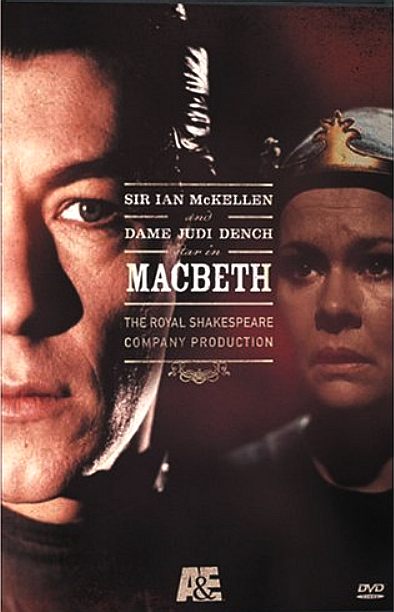
On September 9th, 1976, the Royal Shakespeare Company premiered their minimalist stage production of William Shakespeare's Macbeth. Starring Ian McKellen and Judi Dench, the play received rave reviews for focusing on the psychological complexities of each character.


Can you think of any notable events in literary history that you'd like to share? Leave a comment below, or join us @GodinePub on Twitter!

Friday, September 6, 2013

Superior Person's Tuesday!

Kakorrhaphiophobia, n. The morbid fear of failure. Imagine a sufferer reporting to the clinic for treatment, knowing the first thing he will have to do, at the reception desk, is give them the name of his complaint.

He experiences kakorrhaphiophobia when trying to spell his condition.

Each Tuesday, we’ll offer up a Superior Word for the edification of our Superior Readers, via the volumes of the inimitable Peter Bowler. You can purchase all or any of the four Superior Person’s Books of Words from the Godine website. Ignify appears in the Second.

Thursday, September 5, 2013

A Writer’s Bread and Butter: How to Hunt Down Those Elusive Plot Ideas

by David Field

Inspiration strikes differently for different writers. I recently got to hear Stephen King speak in Hartford, and he said that the inspiration for most (if not all) of his books stemmed from a single, powerful image. His most recent novel, Joyland, was inspired by the image of a boy in a wheelchair flying a kite on the beach. The image refused to let him go, and as he mulled it over, the early threads of a story started to take shape. Then he envisioned a fairground in the background of this beach scene, and it was like the skies had opened. Just like that, he had the framework for his newest crime thriller ghost story.
This whole novel was spawned
from one clear, crystal image.

Unfortunately, those brief, brilliant flashes of insight tend to be pretty random. You’ll never get any writing done if you keep waiting for that perfect idea to hit you like a bolt from the blue. So to push past that initial writer’s block, here are a few tips you can use to help develop ideas for your potential novel or short story.

It helps to start with an object. It could be a half-eaten sandwich or a box full of dusty old letters or a crinkly orange leaf. Any object will do, really, as long as it resonates with you or carries some sort of emotional weight. You might not know why a particular object has resonance, but if you keep coming back to it, chances are it has story potential. It’s okay if nothing comes to mind right away. You can always go for a walk and keep your eyes peeled for a particularly striking image; you might even spot something interesting just by looking out a window. If the outdoors aren’t your thing, try browsing stock photos or social media sites to see if anything stands out to you. Once you’ve got an image, describe it in as much detail as you possibly can. Use all five senses. You’ll probably find that the more you try to be objective, the more those little subjective details will creep in. And that’s good! It means your object has weight, that it has a story to be told.

What story does this sandwich have to tell?
Now it’s time to construct your setting. Every object has to exist in context, so build an environment around yours. Again, stock photos or social media can be a great help if you’re having trouble thinking up a setting of your own. Maybe the half-eaten sandwich is lying on a checkered picnic blanket in the park; maybe the box of letters is buried under a mass of cobwebs in the basement of an old plantation home. Try to be as specific as possible when you describe the scene. You should be starting to get some inkling of a story by this point, but if not, ask yourself a few clarifying questions. Why was that sandwich left unfinished? What do the old letters say, and who stashed them away?

Once you’ve figured out the answers to these sorts of questions, you’ll be working on the inevitable next step: introducing your character. Before you place them in scene, write up a detailed character bio. Get down their name, age, appearance, favorite books, hobbies, fears, hopes and aspirations, etc. Whatever you can think of. Laundry lists of description are fine for now; just make sure to avoid them when it comes time to actually write the story. Let’s use our sandwich-eater as an example. Her name is Molly Price, age 22, and she’s just finished her degree in Psychology at UVM. Now she’s back in Brooklyn searching for a job. She’s got a pale complexion, with green eyes and unruly brown hair that always seems to be floating around her face. Right now she’s standing on a bridge near the picnic blanket, brushing her hair behind an ear and staring out across the water. Her eyes are blank; her sandwich forgotten. What could she be thinking about?

How much conflict could you get
out of this image?
Here’s where it gets interesting. Time to establish the conflict. You can do this however you’d like, but it usually helps to add a second character to the mix. This doesn’t necessarily have to be an antagonistic sort of character; they just need to bring some kind of tension to the table. They don’t even need to be present in the scene as long as their influence is clear. When you write up a character bio for this new person, try to develop specific details about their relationship to character #1. When did they first meet? Are they best friends or bitter rivals? Is one of them keeping a secret from the other? Think about all the ways you could introduce conflict between the two. For Molly, character #2 is a childhood friend  (let's call him Derek) who she used to date in high school. Molly felt a bit displaced after coming home from college, and she was hoping to have a familiar face she could rely on during this stressful transition period. She was thrilled when Derek agreed to meet her for lunch at the park. After three hours, though, he still hasn't shown up. Molly tries eating her sandwich as she waits for him, but eventually she gives up. Now she’s staring out at the water and wondering what she could possibly do next.

Sounds like we’ve got a decent basis for a longer story here! With a bit more planning, this could even find its way into a novel. And just think: all of this originated from the image of a half-eaten sandwich. Pretty amazing, right? Even the most mundane of objects can have a story packed inside it. You just need to do a little digging to get there.

What scenarios did you come up with using this prompt? Do you have any other strategies that help get your writing juices flowing? Share your comments with us here, or join us @GodinePub on Twitter!

Wednesday, September 4, 2013

Today in Literary History: 9/4

Each week, we'll share key events in history that helped to shape the world of literature as we know it.

On September 4th, 1893, Beatrix Potter wrote The Tale of Peter Rabbit for five-year-old Noel Moore, the son of Potter's former governess Annie Carter Moore. The story received commercial success after its publication in 1902 and is now one of the best-selling books of all time.

 
Can you think of any notable events in literary history that you'd like to share? Leave a comment below, or join us @GodinePub on Twitter!

Tuesday, September 3, 2013

Superior Person's Tuesday!


Ignify, v. To burn or set something alight.

It's not a camping trip without some tasty ignified marshmallows.

Each Tuesday, we’ll offer up a Superior Word for the edification of our Superior Readers, via the volumes of the inimitable Peter Bowler. You can purchase all or any of the four Superior Person’s Books of Words from the Godine website. Ignify appears in the Third.

Friday, August 30, 2013

Today in Literary History: 8/30

In this new weekly segment, we'll share key events in history that helped to shape the world of literature as we know it.

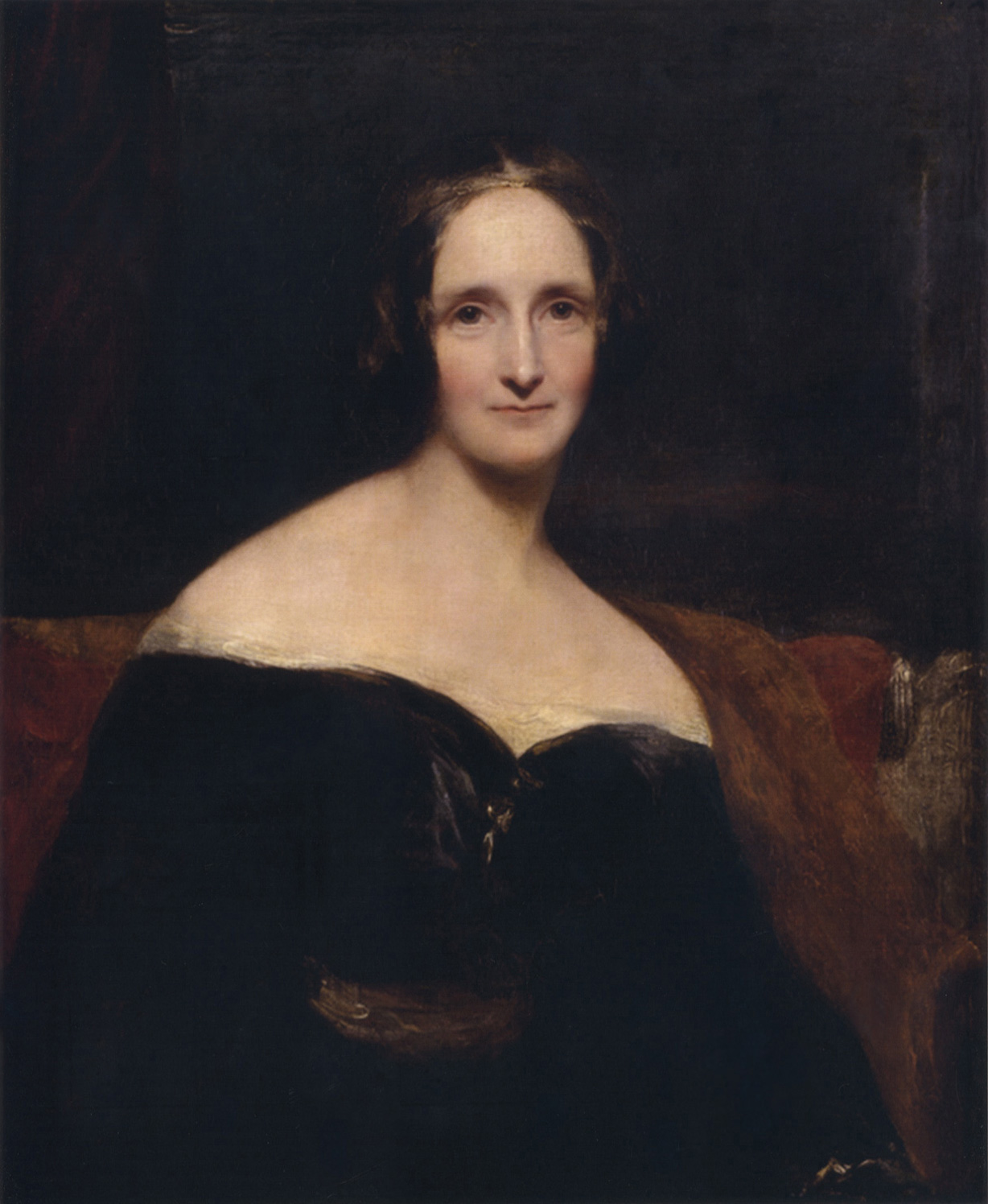
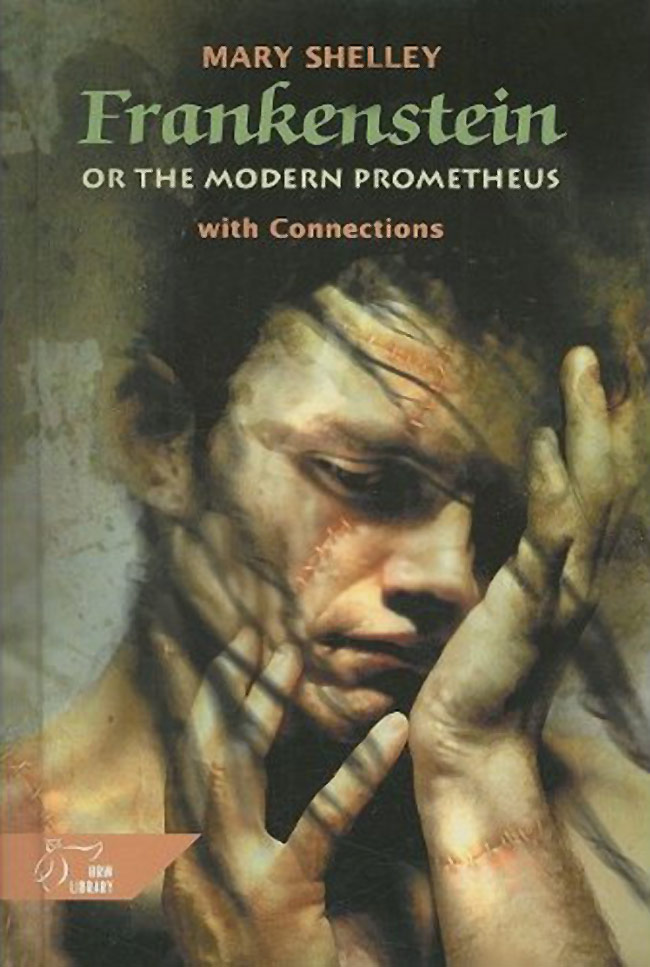
Mary Shelley, author of the Gothic classic Frankenstein and wife of Romantic poet Percy Bysshe Shelley, was born on August 30th in 1797.


Can you think of any notable events in literary history that you'd like to share? Leave a comment below, or join us @GodinePub on Twitter!

Tuesday, August 27, 2013

Scandinavian Winters

By Addie Byrne

Scandinavian winters last at least seven months. I should know, I’ve experienced them firsthand. The first snow drifts down in early November as the temperature drops and the ground becomes hard and frozen. By December, temperatures have fallen well below -20°, and at that point it doesn’t much matter if it’s Celsius or Fahrenheit. Add in a chilling north wind and the cold cuts right to the bone. Snow begins to pile up, first inch-by-inch and then foot-by-foot. Then, for months, the land is buried, alternatingly attacked by blizzards and frost with no end in sight. The people who live there settle in; this land creates those who can withstand. Long after the rest of the world would have resigned themselves to despair, the Scandinavians continue about their daily lives. Sometimes they even dare to have fun outdoors when the wind lets up. People always ask how anyone can live up there. I tell everyone the same thing: there is a quiet beauty where you least expect it.

Hardly anyone ever gets to see the first of the dawn light making a frosted tree glisten in the sun. Few people experience the complete and heavy silence a fresh snowfall brings to a forest. Almost no one stands to admire the stark beauty of a frozen, white, open field for as far as the eye can see. The people that live here reflect their land. They embody this indomitable force that allows them to endure. Most people call them stoic; indifferent to emotion. I call them quiet. Their affects are reduced, in the sense that they display fewer emotions but the emotions are all the more powerful for it.


Stig Dagerman’s collection of short stories, Sleet, embodies the unexpected contrast found so often in the Scandinavian culture. The first story, “To Kill a Child”, is written with an almost extreme emotional detachment that belies that tragic content of the story. Author Graham Green commented, “Dagerman wrote with a beautiful objectivity. Instead of emotive phrases, he uses choice facts, like bricks, to construct an emotion.”  The factual account of the actions leading up to the child’s death in the story contrasts with the building horror that the story, as a whole, evokes. He makes his characters real; they lend credibility to the stories that are more than possible, while at the same time unimaginable. 

Some may call Dagerman’s writing stoic. There is most certainly an indifference to his writing, considering the sensitive content. I would call his writing quietly beautiful. The reduced emotional voice of the narrator summons a stronger emotional response from story. The subtly powerful and harshly beautiful influences of Scandinavian culture reveal themselves in Dagerman’s haunting collection of short stories.

Sleet is now available for sale on our website; you can find more information about the collection here.

Leave comments below or join us on Twitter @GodinePub.


Superior Person's Tuesday!

Funambulist, n. A tightrope walker.


To all the aspiring funambulists out there: don't try this at home.

Each Tuesday, we’ll offer up a Superior Word for the edification of our Superior Readers, via the volumes of the inimitable Peter Bowler. You can purchase all or any of the four Superior Person’s Books of Words from the Godine website. Funambulist appears in the Second.

Monday, August 26, 2013

Harnessing Your Dreams Into Creative Energy: Why It Could Spark Your Writing

By Christina Freitas

Last semester, I enrolled in a one-credit writing practicum at my university entitled Dreams and the Subconscious In Writing. It seemed quirky, a fun way to entertain my writing mind, and it turned out to be a phenomenal course, one I would take again and again if I could. Tapping into my dreams for fuel to drive forward my stories turned out to be a stimulating and rewarding experience. And it springs to mind now as I leaf through the pages of Rainier Marie Rilke’s The Inner Sky: Poems, Notes and Dreams.

This translation features many previously unpublished works in a dual language format: on one side, Rilke’s native German, on the other, beautiful translations from Damion Searls. Juggling reality and the fantasies created not only within our minds, but also within our dreams, these pieces speak volumes about how even the smallest of images can spark intense introspection, unearthing stories still blooming beneath the weight of our everyday reality.

Exploring your dreams, peeling them open like fresh oranges in the morning, is actually incredibly rewarding. People often discount dreams, claiming they hold no resonance, just a jumble of images collected from your subconscious with no real rhyme, reason, or meaning. Some people may not remember their dreams to begin with, so their somewhat empty dream life may seem meaningless from the beginning.

But Rilke’s explorations suggest otherwise. His inspirational words point to truths and meanings that can be gleaned from anyone’s dreams, however minute or ridiculous, if they are so inclined. Even the most incoherent dreams can actually harbor inner clockworks of their own which may rival, or even surpass, the humdrum sensibilities of the everyday.


It may serve as little comfort, but dreams can even help us cope with our fears or lingering traumas. Our subconscious may work diligently through dreams, though they often appear as nightmares, to offer resolution where in our waking lives, we stumble through obstacles again and again. And sometimes, if you dig deep enough, your silliest dreams can even foster a creative firestorm on the page.

Naturally, there's a catch. You have to remember your dreams to draw creative juices from them. It helps to keep a dream journal, for one thing, and to be diligent in writing down your dreams the first time you wake up. Don’t give yourself five extra minutes because those initial images and emotions associated with your dreams will start fading the moment your brain returns from its subconscious wonderland to the tick tock mentality of reality.

Write, draw - record your dreams however you see fit!
And if you have trouble remembering your dreams at all, one tip our professors gave us – and don’t laugh, because it actually does work for some people – is this. Drink a little water before going to bed and say to yourself, I will remember my dreams tonight. Once you wake up in the morning, repeat the same drinking process and begin writing down your dreams. I've tried it, the method works. And I've had incredibly vivid dreams ever since.

So remember, dreams are creative stimulants, and they're yours to play with. You can bend their rules, assert your own, and transform them into something beautiful, dark, fantastical, explorations of your subconscious self. They’re your dreams – bring them to life! Leave us a comment below or join us on Twitter @GodinePub. For more information on The Inner Sky check out our website.

Friday, August 23, 2013

Taking What We Like: The Benefits of Remixing Literature

by David Field

Somehow, I don't think this
is what Jane Austen had in mind.
Why are we so fascinated by adaptations? From Heart of Darkness to Francis Ford Coppola’s Apocalypse Now, from Jane Austen’s romantic classic to Pride and Prejudice and Zombies, writers and artists today seem obsessed with taking old stories and making them new. Modern retellings of myths and fairy tales have been popular for years and show no signs of disappearing anytime soon – just look at shows like Grimm and Once Upon a Time. Classic mythology, too, is still very much alive in our modern culture, and you don’t have to look far to find it. Some titles that spring to mind right away are the new Clash of the Titans remake, the Percy Jackson series for younger readers, and the Coen brothers’ Odyssey-based satire, O Brother, Where Art Thou? The list goes on, and it’s an extensive one. But why is this? Why are today’s creative thinkers so fixated on the stories of the past?

Coppola adapts Heart of
Darkness to the horrors
of the Vietnam War.

There are any number of reasons, but I believe it’s simply because these stories have stood the test of time. They embody universal themes and establish archetypes that never seem to go away, no matter how many years it’s been. For example, Alice in Wonderland gives us a girl struggling to find her way in a world that just doesn’t make sense. The extraordinary voyages of Jules Verne and other science fiction writers give us men who push boundaries and make sacrifices in the never-ending pursuit of knowledge. And we never get tired of the classic hero’s quest, the triumph of the good and righteous over the wicked and corrupt. It’s a plotline that stretches all the way back to mankind’s earliest myths and stories, and it’s still inescapable in today’s pop culture, as seen in massive franchises like Harry Potter and The Hunger Games. In some capacity, all of these classic tales tap into the wishes and worries that are still so prevalent in our world today, which is why so many creative minds turn to them for inspiration.

Linda Bamber’s upcoming collection, Taking What I Like, is chock full of these types of stories. She constructs fresh, original narratives around characters and written works that most readers will recognize right away. The short story “Casting Call,” for instance, features Desdemona and the rest of Othello’s dramatis personae, who have been plucked from the streets of Venice and placed in a university English department. (You can find a free download of the story here!) Bamber’s story is not a Shakespeare imitation, however. She uses a cast of characters that resonates with readers to construct a story with a powerful social message about race and minority empowerment, a message that couldn’t be more relevant in our society today. The familiar faces give us ground to stand on. Bamber’s expert storytelling then lets us stride across that ground and find new paths, new interpretations that go beyond the original text and reveal significant truths we never would have spotted otherwise.

Shakespeare himself was no stranger to adaptations. Many of his plays were based on the lives of real historical figures (Antony and Cleopatra, Julius Caesar, Richard III, etc.) while others were heavily inspired by legends or stories his audiences would be familiar with (King Lear, Othello, Romeo and Juliet, etc.). The bard looked at these classic tales and knew they had more stories to tell, so he created new characters and gave them voices. And as writers like Linda Bamber have proven time and time again, there’s no shortage of stories left in these timeless works of art. Taking What I Like is available starting today; you can find more information about the collection here.

What’s your favorite modern adaptation? How did it stack up to the original? And what new insights do you think the remix brought to its classic predecessor? Share your comments with us here, or join us @GodinePub on Twitter!

Tuesday, August 20, 2013

Superior Person's Tuesday!

Acerebral, adj. Without a brain.


Dorothy makes a new acerebral friend on her journey to the Emerald City.

Each Tuesday, we’ll offer up a Superior Word for the edification of our Superior Readers, via the volumes of the inimitable Peter Bowler. You can purchase all or any of the four Superior Person’s Books of Words from the Godine website. Acerebral appears in the First. 

Monday, August 19, 2013

We Art Boston: Upcoming Fundraiser to Benefit the Boston Children's Hospital

Godine author and illustrator Joe McKendry (Beneath the Streets of Boston, One Times Square) has kindly informed us of a fundraiser that he put together to benefit the Emergency and Trauma Fund at the Boston Children's Hospital.  The 'We Art Boston' auction was created in the wake of the Marathon bombing and features work by some of the best known illustrators working today. 

The more than 40 participating artists of We Art Boston honor the role of story time with a fundraiser featuring original works of art from some of the most beloved contemporary children’s books.  Godine illustrators Barbara McClintock, Glenna Lang, Guy Billout, Jared Williams and Joe McKendry have all generously donated original art to be auctioned off at this event.

Get updates and information leading up to the October 20th event at www.facebook.com/weartboston and at www.weartboston.org.


Tuesday, August 13, 2013

Superior Person's Tuesday!

Mystagogue, n. One who instructs in mystical or arcane lore and doctrines.


A hush fell over the room as the great mystagogue prepared to address his students.

Each Tuesday, we’ll offer up a Superior Word for the edification of our Superior Readers, via the volumes of the inimitable Peter Bowler. You can purchase all or any of the four Superior Person’s Books of Words from the Godine website. Mystagogue appears in the First. 

Monday, August 12, 2013

Books Don't Grow Up: Loving Books with a Child's Heart

By Christina Freitas

In a word, one could pinpoint the most appealing aspect of books everywhere: escape. There is no simpler way to delay an inevitable rendezvous with reality. You need only crack open the spine of a nearby novel, duck your nose against its inked pages and read on, leaving reality waiting by the punch bowl for a few hours more. Books can represent fantastical worlds and excite our imaginations in ways the humdrum of daily life can often deny. This feverish activity can often be found most poignantly in works of children's literature.

Take, for example, our recent republication of The Tyger Voyage by Richard Adams. First published in 1976, this classic tale recounts the exploits of a father and son as they traverse terrains both dangerous and exhilarating, uncovering unique adventures and encountering intriguing characters before they find their way back home. It's an inspiring ride which children (and adults) will love, perhaps due in large part to the ways in which this fantastical tale is both an escape and an appeal to our realities, to grander concepts of family, sense of place, the desire to see the world in its many colors and forms.

Maybe it is this creative mesh of fantasy and reality, often at the heart of so many children's tales, which endears their stories and a sense of adventure in adults as well. Children's literature plants the seeds for future readers to embrace, imagine, to dream bigger and brighter than those who came before. It's an important stepping stone in the hierarchy of reading and while growing up means one's tastes will inevitably change, it doesn't mean one has to read any less with the heart of a child. We can still embrace the fantastical as well as the realistic and find the two shaking hands in some of the most beloved stories.

Just as Adams brings home both an imaginary adventure and the significance of family in this classic title, writers such as J.R.R. Tolkien and J.K. Rowling (to name a few) confront questions about power, love and friendship in the face of epic good-vs-evil struggles whose foundations have a home in our own world, despite the fantastical webs entangling their characters. It may be the stuff of children's books, but when you consider the very nature of the word fiction, there's an inherent level of fantasy in every title we read.

I've always wanted one of these. 
True, many stories are as close to a departure from this magical world as one will likely find in literature. Everyone has read at least one novel whose characters are engaged in the often overwhelming struggle to pierce the veil of our muddled and often inhospitable realities. But at the heart of every novel, every short story, there is a fantasy of some kind – it may be confronted, torn apart, embraced or ignored by the writer, but readers take part in this fantasy of their own volition, from their immersion in these pages to the characters they follow with hushed words and bated breaths.

Naturally, not all tales we read are littered with emblems of the fantasy genre, per se, or the imaginary findings of children's stories. Elves, fairies and happily-ever-afters are often a rarity in much of the prose we read. As we mature, our stories tend to develop longer shadows. Our beloved heroes, whose foes could have easily been slain and killed in our youth, are now forced to contend with villains who haunt them for hundreds of pages, even multiple books, and are far more rooted in reality than any dragon or fictitious knights.

Yet we still read for the same reasons we embarked on youthful adventures through children's books. We read to be inspired and amazed. We read to plunge into the lives of these characters, who become like dear friends by the novel's end, and pray they will rise from the ashes of their own turmoil. We read for the same sense of fantasy provided by tales of old, for the world they bring into our hearts and our minds, for the calm, suspense, anger and joy a writer can produce, with a touch of imagination and the stroke of a pen. It's a timeless passion, reading, and it remains as youthful and exuberant as ever.


Reality beckons and we all have to come home eventually, but why not delay the return, make a few more pit stops, linger just a day more in a forest teeming with words and stories for readers of every kind? If you'd like to weigh in on your obsession with reading, feel free to comment below or join us on Twitter @GodinePub. For more information about The Tyger Voyage please visit our website.